Biomass pelletizing has become one of the fastest-growing sectors in the renewable energy industry. As countries around the world seek cleaner alternatives to fossil fuels, biomass pellets are increasingly used in residential heating, industrial boilers, combined heat and power (CHP) plants, and biomass power stations. The success of pellet production largely depends on one essential factor: selecting suitable raw materials.
One of the greatest advantages of biomass pelletizing is its flexibility. A wide range of agricultural residues, forestry by-products, wood waste, and organic industrial materials can be converted into high-density biomass pellets. Instead of being burned in open fields or disposed of in landfills, these materials become valuable renewable fuels that contribute to sustainable energy production and waste recycling.
This article explores the various materials used for biomass pelletizing, their characteristics, processing requirements, and how proper raw material selection influences pellet quality, production efficiency, and equipment performance.
What Is Biomass Pelletizing?
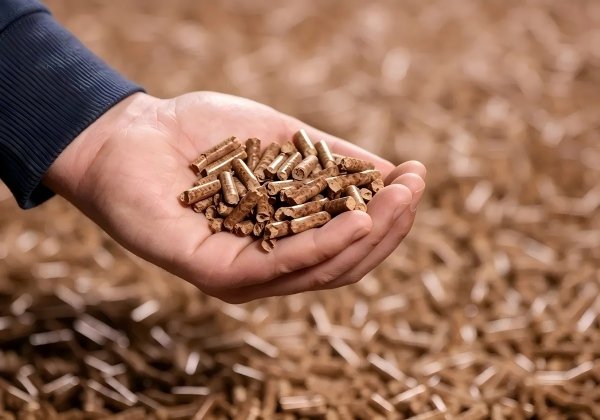
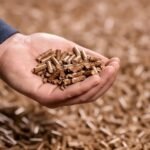
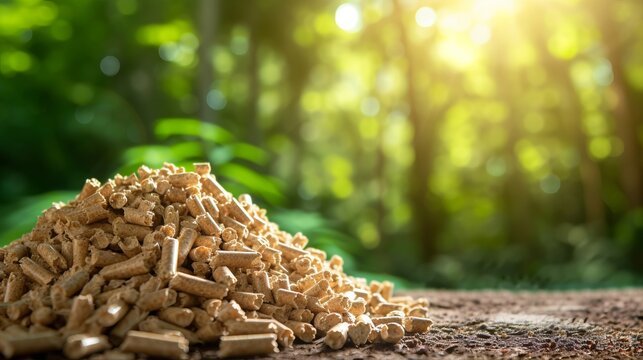
Biomass pelletizing is the process of compressing finely prepared organic materials into cylindrical pellets using mechanical pressure. During pellet formation, natural lignin contained within plant fibers softens due to frictional heat and binds the particles together, usually eliminating the need for chemical additives.
The resulting pellets offer several advantages over loose biomass, including:
- Higher bulk density
- Improved combustion efficiency
- Lower transportation costs
- Easier storage
- Reduced dust generation
- Better fuel consistency
- Longer storage life
Because of these benefits, biomass pellets have become an important renewable fuel in many industries.
https://pelletisingmachine.com/vertical-ring-die-wood-pellet-mill
Why Raw Material Selection Matters
Not every biomass material behaves the same during pelletizing.
Different feedstocks vary in:
- Moisture content
- Fiber structure
- Lignin content
- Ash content
- Bulk density
- Hardness
- Calorific value
These properties influence:
- Pellet quality
- Production capacity
- Energy consumption
- Equipment wear
- Operating costs
Selecting suitable materials and adjusting production parameters accordingly are essential for efficient pellet manufacturing.
Wood-Based Biomass
Wood remains the most widely used raw material for biomass pellet production because of its relatively high lignin content and excellent pelletizing characteristics.
Sawdust
Sawdust is one of the most popular pellet raw materials.
It is produced by:
- Sawmills
- Furniture factories
- Wood processing plants
Advantages include:
- Uniform particle size
- High lignin content
- Excellent pellet durability
- Low ash content
- High heating value
Sawdust often requires minimal grinding before pelletizing.
Wood Chips
Wood chips are commonly produced during logging and wood processing.
Before pelletizing, they must undergo:
- Size reduction
- Drying
- Fine grinding
Wood chips provide excellent fuel quality after proper preparation.
Wood Shavings
Wood shavings generated during furniture manufacturing are another valuable biomass resource.
They compress well after grinding and drying.
Bark
Tree bark contains more ash than clean wood but remains a useful pellet raw material.
Many manufacturers blend bark with sawdust to improve production economics.
Forestry Residues
Branches, tree tops, logging residues, and forest thinning materials represent enormous renewable biomass resources.
Processing usually requires:
- Chipping
- Drying
- Grinding
These materials help improve forest management while creating renewable energy.
Agricultural Residues
Agriculture produces enormous quantities of organic residues every year.
Many of these materials can be pelletized successfully.
Wheat Straw
Wheat straw is widely available after grain harvesting.
Benefits include:
- Abundant supply
- Low cost
- Renewable availability
Proper moisture adjustment improves pellet quality.
Rice Straw
Rice straw has become an important biomass resource in many Asian countries.
Pelletizing helps reduce open-field burning.
Rice Husks
Rice husks possess relatively high silica content.
Although more abrasive than wood, they can produce durable biomass pellets when processed correctly.
Corn Stalks
Corn residues include:
- Stalks
- Leaves
- Cobs
These materials require thorough drying before pelletizing.
Cotton Stalks
Cotton-growing regions generate large quantities of stalk residues.
These materials provide another valuable biomass fuel source.
Peanut Shells
Peanut shells possess relatively good heating value and compress well after grinding.
Sunflower Husks
Sunflower processing industries often pelletize husks for industrial fuel applications.
Soybean Straw
Soybean residues represent another renewable agricultural feedstock suitable for pellet production.
Energy Crops
Certain crops are cultivated specifically for biomass energy production.
Examples include:
- Switchgrass
- Miscanthus
- Giant reed
- Napier grass
These crops produce high biomass yields while growing on marginal land.
Forestry Industry By-Products
Wood processing industries generate significant amounts of biomass residues.
Common materials include:
- Wood dust
- Veneer waste
- Planer shavings
- Trim ends
- Lumber offcuts
Instead of disposal, these materials become valuable pellet feedstocks.
Food Processing Residues
Food industries also generate biomass suitable for pelletizing.
Examples include:
Sugarcane Bagasse
Bagasse is the fibrous residue remaining after sugar extraction.
Its advantages include:
- High availability
- Renewable supply
- Good energy value
Coffee Husks
Coffee-producing countries often utilize husks for biomass fuel production.
Coconut Shells
Coconut shells possess relatively high calorific value.
Proper crushing improves pelletizing performance.
Palm Fiber
Palm oil industries generate large quantities of empty fruit bunches and palm fiber suitable for pellet production.
Bamboo Residues
Bamboo grows rapidly and produces abundant biomass.
Bamboo processing generates:
- Sawdust
- Chips
- Shavings
These materials pelletize effectively after drying.
Alfalfa and Grass Biomass
Some biomass pellets are produced primarily for animal feed, while others serve as renewable fuel.
Grass materials include:
- Alfalfa
- Timothy grass
- Ryegrass
Moisture control remains especially important during processing.
Organic Industrial Waste
Several industries generate biodegradable organic waste suitable for pelletizing.
Examples include:
- Paper mill residues
- Pulp waste
- Wood packaging waste
- Construction wood waste (free from contamination)
Proper sorting ensures consistent pellet quality.
Characteristics of Good Pellet Raw Materials
Ideal biomass feedstocks generally possess:
- Moderate moisture content
- Adequate lignin
- Low contamination
- Uniform particle size
- Stable supply
- Reasonable ash content
Materials meeting these conditions produce durable, high-quality pellets.
Preparing Raw Materials
Before pelletizing, biomass undergoes several preparation steps.
Collection
Feedstocks are gathered from farms, sawmills, forests, or processing facilities.
Cleaning
Magnets and screening systems remove:
- Stones
- Metal
- Plastic
- Dirt
Clean materials reduce equipment wear.
Drying
Fresh biomass often contains excessive moisture.
Rotary dryers reduce moisture to approximately 10–15%.
Grinding
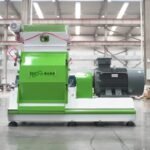
Hammer mills produce consistent particle size suitable for pelletizing.
Proper preparation greatly improves production efficiency.
Factors Affecting Material Selection
Manufacturers evaluate several considerations when selecting biomass materials.
Availability
Reliable year-round supply ensures continuous production.
Transportation Distance
Long transport distances increase production costs.
Many pellet plants locate near biomass sources.
Moisture Content
Materials with lower initial moisture reduce drying costs.
Ash Content
Lower ash generally produces higher-quality fuel pellets.
Heating Value
Materials with higher calorific value generate more energy during combustion.
Blending Different Materials
Many manufacturers combine multiple biomass feedstocks.
Examples include:
- Sawdust and wood chips
- Straw and sawdust
- Rice husks and wood waste
- Bagasse and forestry residues
Blending improves:
- Pellet durability
- Production stability
- Fuel quality
- Cost efficiency
Laboratory testing helps determine optimal mixing ratios.
Equipment Considerations
Different biomass materials require different processing equipment.
Modern pellet plants often include:
- Chippers
- Crushers
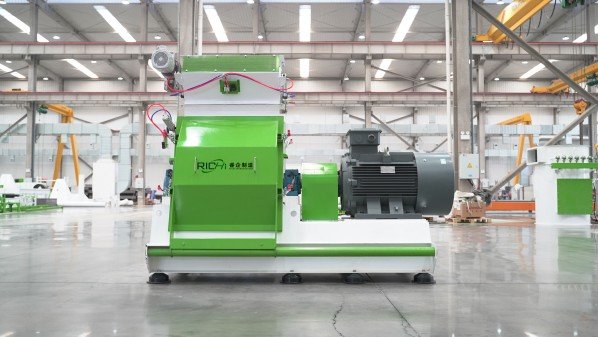
- Hammer mills
- Rotary dryers
- Pellet mills
- Coolers
- Vibrating screens
- Packing machines
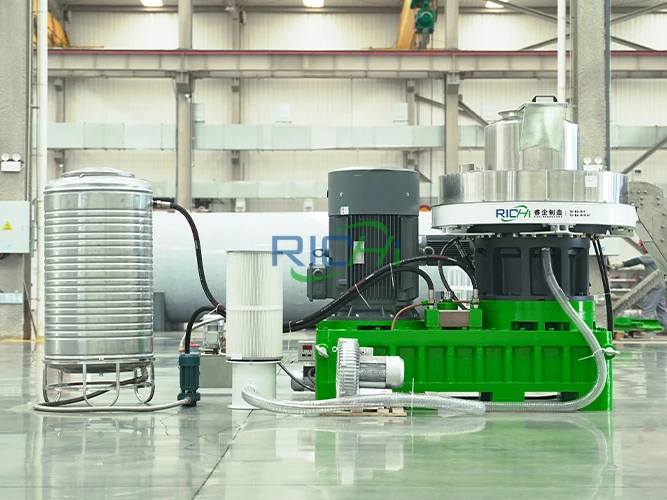
When selecting equipment, many investors compare the vertical wood pellet machine price alongside production capacity, energy consumption, automation level, and maintenance requirements. Although the vertical wood pellet machine price is an important consideration during project planning, long-term operating efficiency, durability, and adaptability to different biomass materials often have a greater impact on the overall profitability of a pellet production plant.
Environmental Benefits
Using biomass residues for pellet production supports sustainable development.
Major environmental advantages include:
- Reduced agricultural burning
- Lower landfill waste
- Renewable energy production
- Reduced greenhouse gas emissions
- Better resource utilization
- Improved forest management
These benefits contribute to cleaner and more sustainable energy systems.
Economic Benefits
Biomass pelletizing creates value throughout the supply chain.
Farmers gain additional income by selling crop residues.
Wood processors monetize production waste.
Transportation companies benefit from biomass logistics.
Renewable energy producers secure reliable fuel supplies.
Equipment manufacturers support growing global demand for pellet plants.
Future Trends
The range of biomass materials suitable for pelletizing continues to expand.
Emerging trends include:
- Improved preprocessing technologies
- AI-assisted raw material management
- Advanced moisture monitoring
- Better biomass blending systems
- Greater automation
- Higher production efficiency
These developments allow manufacturers to process increasingly diverse feedstocks while maintaining consistent pellet quality.
Conclusion
Biomass pelletizing is an effective way to convert a wide variety of renewable organic materials into valuable solid fuel. Wood residues, agricultural by-products, forestry waste, energy crops, and food processing residues all offer significant potential for sustainable pellet production. The choice of raw material influences every aspect of manufacturing, from production efficiency and equipment performance to pellet durability and combustion quality.
Successful pellet producers carefully evaluate feedstock availability, moisture content, ash levels, particle size, and heating value before designing their production process. At the same time, selecting reliable equipment is equally important. While many investors compare the vertical wood pellet machine price when planning a new biomass project, long-term success depends on choosing machinery that provides stable performance, high output, low maintenance costs, and the flexibility to process different biomass materials efficiently. As renewable energy demand continues to grow worldwide, the effective utilization of diverse biomass resources will remain a cornerstone of sustainable energy development and circular resource management.