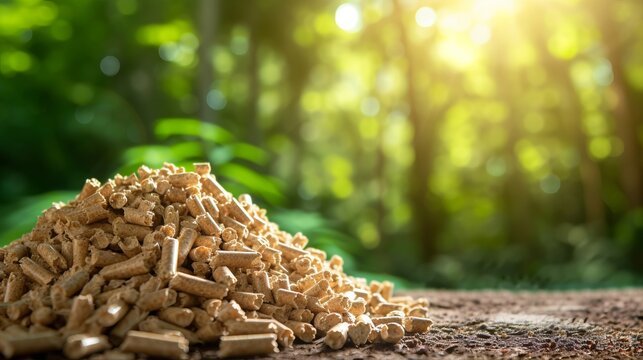




As the world continues to search for cleaner, more sustainable energy sources, biomass fuel has emerged as one of the most practical alternatives to fossil fuels. Among the many forms of biomass energy available today, sawdust pellets have gained widespread popularity across residential, commercial, and industrial sectors. Produced from wood processing residues and compressed into dense, uniform fuel pellets, sawdust pellets offer a renewable, cost-effective, and environmentally friendly energy solution.
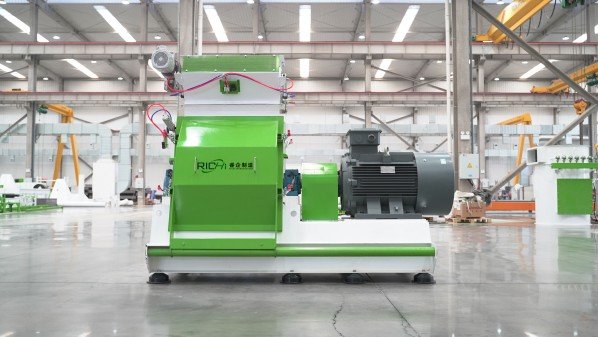
The growing demand for biomass fuel has encouraged sawmills, furniture manufacturers, wood product factories, and energy companies to invest in pellet production facilities. Modern pellet manufacturing technology allows wood waste that was once discarded or burned inefficiently to be transformed into high-value fuel products. At the center of this transformation is the sawdust pellet maker, a machine designed to convert loose sawdust into compact pellets with high energy density and excellent combustion characteristics.
But why have sawdust pellets become so popular compared with other biomass fuels? The answer lies in their unique combination of environmental benefits, energy efficiency, transportation advantages, economic value, and wide range of applications. Understanding these advantages helps explain why sawdust pellets continue to gain market share in the global renewable energy industry.
The Growing Need for Renewable Biomass Fuel
The increasing popularity of sawdust pellets is closely related to global concerns about climate change and energy security. Traditional fossil fuels such as coal, oil, and natural gas remain major energy sources worldwide, but they present several challenges:
- Rising carbon emissions
- Environmental pollution
- Resource depletion
- Price volatility
- Dependence on imported energy
Governments, industries, and consumers are actively seeking renewable alternatives that can reduce greenhouse gas emissions while maintaining reliable energy supplies. Biomass fuel has become an attractive option because it utilizes organic materials that can be continuously replenished.
Among various biomass resources, sawdust is particularly valuable because it is already generated in large quantities by the wood processing industry. Instead of treating sawdust as waste, manufacturers can convert it into a clean-burning fuel that contributes to a circular economy.
Sawdust Is an Abundant and Renewable Resource
One of the primary reasons for the popularity of sawdust pellets is the abundant availability of raw materials.
Every year, millions of tons of sawdust are generated from:
- Sawmills
- Furniture factories
- Plywood manufacturers
- Flooring producers
- Construction material processors
- Woodworking workshops
Without proper utilization, much of this material could become waste. Pellet production provides an effective method of converting these byproducts into valuable fuel products.
Unlike fossil fuels, which require millions of years to form, wood resources can be replenished through sustainable forestry management. As trees grow and forests are responsibly maintained, new raw materials become available for future pellet production.
This renewable nature makes sawdust pellets a long-term energy solution that supports environmental sustainability and resource conservation.
Efficient Utilization of Wood Waste
Another major advantage of sawdust pellets is their ability to transform low-value waste into high-value energy products.
Wood processing operations typically generate large quantities of fine particles and residues. Historically, many companies faced challenges in disposing of these materials. Open burning and landfill disposal not only wasted resources but also created environmental concerns.
Pellet production changes this situation completely.
Using a sawdust pellet maker, manufacturers can compress loose sawdust into standardized fuel pellets that are easy to store, transport, and sell. This process creates economic value from materials that might otherwise be discarded.
https://richipelletizer.com/sawdust-pellet-machine
As a result, pellet production helps:
- Reduce industrial waste
- Improve resource utilization
- Create additional revenue streams
- Lower disposal costs
- Promote sustainable manufacturing practices
This efficient use of resources is one of the key reasons why governments and industries support biomass pellet development.
High Energy Density
One of the most significant advantages of sawdust pellets is their high energy density.
Raw sawdust is bulky and lightweight. Although it contains energy, its low density makes transportation and storage inefficient. Pelletizing dramatically increases material density by compressing sawdust under high pressure.
The resulting pellets contain much more energy per unit volume compared with loose sawdust.
Higher density provides several benefits:
- Reduced storage space requirements
- Lower transportation costs
- Improved fuel handling
- More consistent combustion
- Higher energy concentration
This increased energy density makes sawdust pellets practical for both small-scale and large-scale energy applications.
Power plants, industrial boilers, and commercial heating facilities can efficiently store and use large quantities of fuel without requiring excessive storage capacity.
Consistent Fuel Quality
Consistency is extremely important for any fuel source.
One reason many users prefer sawdust pellets is their uniform size, shape, and composition. During production, the sawdust pellet maker compresses raw materials through specially designed dies, creating pellets with standardized dimensions.
Uniform fuel quality offers several operational advantages:
Stable Combustion
Consistent pellet size allows fuel to burn evenly, producing predictable heat output.
Improved Equipment Performance
Heating systems and biomass boilers operate more efficiently when fuel characteristics remain stable.
Reduced Maintenance
Uniform combustion reduces ash accumulation and minimizes equipment wear.
Easier Fuel Feeding
Automatic feeding systems can handle pellets more effectively than irregular biomass materials.
These benefits make sawdust pellets highly attractive for industrial users who require reliable and efficient energy production.
Lower Carbon Emissions
Environmental sustainability is one of the strongest drivers behind the increasing popularity of sawdust pellets.
When fossil fuels are burned, carbon that has been stored underground for millions of years is released into the atmosphere. This contributes directly to rising greenhouse gas concentrations.
Biomass fuels operate differently.
Trees absorb carbon dioxide during growth through photosynthesis. When wood pellets are burned, much of this carbon is returned to the atmosphere. As new trees grow, they absorb carbon again, creating a relatively balanced carbon cycle.
Although biomass combustion still produces emissions, sustainably managed biomass systems generally have a lower net carbon footprint than fossil fuels.
As governments implement stricter environmental regulations and carbon reduction targets, many industries are turning to sawdust pellets as part of their sustainability strategies.
Cleaner Combustion Characteristics
Compared with many traditional solid fuels, sawdust pellets offer cleaner combustion performance.
High-quality wood pellets typically contain:
- Low moisture content
- Minimal impurities
- Low sulfur levels
- Low ash content
These characteristics result in:
- Reduced smoke emissions
- Lower particulate matter production
- Cleaner combustion chambers
- Improved air quality
- Reduced maintenance requirements
For residential users, cleaner burning means more comfortable heating with less cleaning and maintenance.
For industrial operators, cleaner combustion improves system efficiency and helps meet environmental compliance requirements.
Excellent Storage and Transportation Efficiency
Transportation and storage represent significant costs in the energy supply chain.
Loose biomass materials often create logistical challenges because they occupy large volumes and are difficult to handle. Sawdust pellets solve many of these problems.
Their compact shape and high density allow them to be:
- Stored in silos
- Packaged in bags
- Transported in bulk containers
- Loaded automatically
- Distributed efficiently
Because pellets occupy less space than raw sawdust, transportation vehicles can carry more usable energy per trip.
This improves supply chain efficiency and reduces overall logistics costs, making sawdust pellets economically attractive in both domestic and international markets.
Compatibility with Modern Heating Systems
Modern biomass heating systems are increasingly designed to use pellet fuel.
Many residential and commercial pellet stoves include automated systems that:
- Feed pellets automatically
- Control combustion rates
- Maintain stable temperatures
- Improve energy efficiency
The uniform size and shape produced by a sawdust pellet maker make pellets ideal for these automated systems.
Industrial biomass boilers also benefit from pellet fuel because it allows precise fuel feeding and combustion control.
This compatibility with advanced heating technology has significantly contributed to the growing adoption of sawdust pellets worldwide.
Economic Benefits for Producers
The popularity of sawdust pellets is not limited to fuel users. Manufacturers also benefit from pellet production.
For wood processing companies, pellet production creates opportunities to monetize waste streams.
Instead of paying for waste disposal, businesses can:
- Sell raw sawdust
- Produce pellets internally
- Supply local heating markets
- Export biomass fuel
- Develop renewable energy businesses
Many companies have discovered that pellet production generates additional profits while improving environmental performance.
As biomass fuel demand continues to increase globally, pellet production has become an attractive investment opportunity for entrepreneurs and industrial operators alike.
Expanding International Markets
Global demand for biomass fuel continues to grow.
Several regions have become major consumers of wood pellets, including:
- Europe
- North America
- Japan
- South Korea
- China
Many countries are implementing renewable energy policies that encourage the replacement of coal with biomass fuel.
Large power plants increasingly co-fire biomass pellets with coal or convert entirely to biomass-based energy generation.
This expanding market has created strong demand for pellet production equipment, including advanced sawdust pellet maker systems capable of producing large volumes of high-quality fuel pellets.
The international biomass trade has transformed wood pellets into a globally recognized renewable energy commodity.
Contribution to Circular Economy Development
A circular economy focuses on maximizing resource utilization while minimizing waste.
Sawdust pellet production perfectly aligns with this concept.
The process takes byproducts from one industry and converts them into valuable resources for another industry. Instead of allowing wood residues to become waste, pellet production extends their economic value.
This approach supports:
- Resource efficiency
- Waste reduction
- Sustainable manufacturing
- Renewable energy development
- Environmental protection
As circular economy principles become more important worldwide, sawdust pellets continue to gain recognition as a model example of sustainable resource utilization.
Support for Rural Economic Development
Pellet production also creates economic opportunities in rural areas where forestry and wood processing industries are concentrated.
Biomass pellet facilities generate employment in:
- Raw material collection
- Transportation
- Equipment operation
- Plant maintenance
- Quality control
- Logistics management
In addition, local pellet plants create markets for forestry residues and wood industry byproducts.
These economic benefits help strengthen rural communities while supporting renewable energy development.
Many governments encourage biomass projects because they contribute simultaneously to economic growth and environmental sustainability.
Technological Improvements in Pellet Production
Advancements in pellet production technology have further increased the popularity of sawdust pellets.
Modern wood pelllet lines utilize:
- Automated control systems
- High-efficiency dryers
- Advanced cooling equipment
- Precision screening systems
- Energy-saving pellet mills
Today’s sawdust pellet maker machines are capable of producing pellets with excellent density, durability, and combustion performance.
Improved technology provides:
- Higher production capacity
- Lower operating costs
- Better product quality
- Reduced energy consumption
- Increased production reliability
As technology continues to evolve, pellet production becomes more competitive and accessible to investors around the world.
Future Prospects of Sawdust Pellets
The future of sawdust pellets appears promising.
Several global trends are expected to support continued market growth:
- Increasing renewable energy demand
- Carbon reduction initiatives
- Expansion of biomass power generation
- Sustainable forestry development
- Improved pellet production technology
As governments and industries pursue cleaner energy solutions, biomass pellets will likely play an increasingly important role in the global energy mix.
The ability to convert abundant wood waste into efficient fuel provides a practical pathway toward more sustainable energy systems.
Conclusion
Sawdust pellets have become one of the most popular forms of biomass fuel because they combine environmental sustainability, economic value, and excellent energy performance. Produced from abundant wood processing residues, these pellets transform waste materials into a renewable fuel that can replace or supplement fossil energy sources.
Their high energy density, consistent quality, efficient transportation characteristics, cleaner combustion performance, and compatibility with modern heating systems make them attractive to both residential and industrial users. At the same time, pellet production supports waste reduction, rural economic development, and circular economy initiatives.
The sawdust wood pellet maker plays a critical role in this process by converting loose sawdust into durable, high-density fuel pellets that meet the growing demand for renewable energy. As global interest in sustainable energy continues to rise, sawdust pellets are expected to remain a key component of the biomass fuel industry for many years to come.