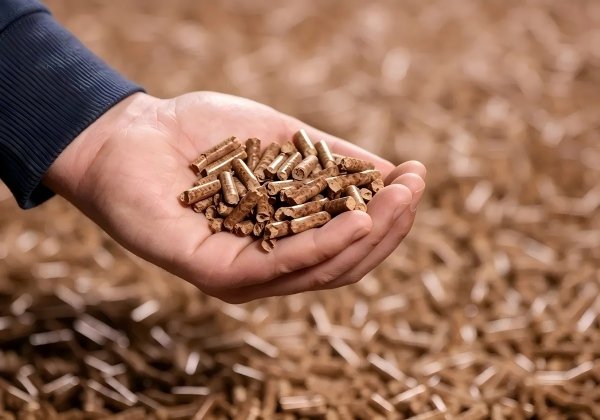



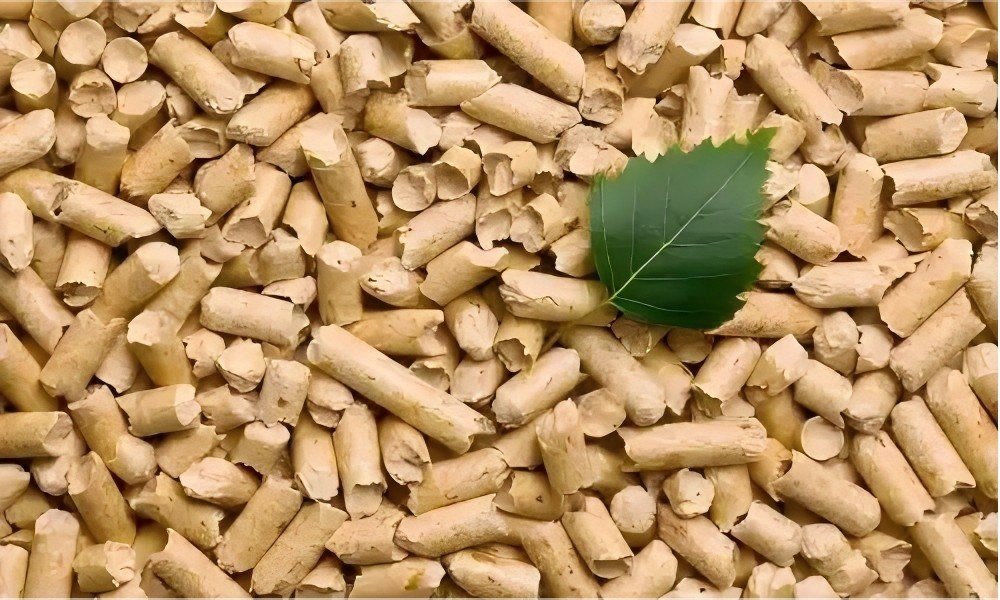
Biomass pellets have become one of the most important renewable fuels in the global energy market. Widely used in residential heating, industrial boilers, biomass power plants, and combined heat and power systems, biomass pellets offer a sustainable alternative to fossil fuels while helping reduce carbon emissions. However, the success of any biomass pellet production business depends heavily on pellet quality.
High-quality pellets provide better combustion efficiency, lower ash content, higher energy density, and improved durability during transportation and storage. In contrast, poor-quality pellets can lead to customer complaints, equipment issues, reduced market competitiveness, and lower profits.
For pellet manufacturers, improving pellet quality is not only about meeting industry standards but also about maximizing production efficiency and long-term profitability. This article explores practical strategies for improving biomass pellet quality efficiently while maintaining cost-effective operations.
Why Biomass Pellet Quality Matters
Pellet quality directly influences customer satisfaction and market value.
High-quality pellets offer several advantages:
- Higher heating value
- Better combustion efficiency
- Lower dust generation
- Improved storage stability
- Reduced transportation losses
- Longer equipment lifespan
- Greater market acceptance
Many industrial buyers and power plants require pellets that meet strict quality specifications. Therefore, maintaining consistent quality is essential for securing long-term contracts and expanding market opportunities.
Understanding Key Biomass Pellet Quality Indicators
Before improving pellet quality, manufacturers must understand the characteristics used to evaluate pellets.
Moisture Content
Moisture content significantly affects combustion performance and pellet durability.
High-quality biomass pellets typically contain:
- 6% to 10% moisture
Excessive moisture can cause:
- Lower heating value
- Poor combustion
- Mold growth during storage
- Increased transportation costs
Pellet Durability
Durability measures a pellet’s ability to withstand handling and transportation.
Durable pellets generate less dust and maintain their shape throughout the supply chain.
Bulk Density
Higher density improves:
- Transportation efficiency
- Storage efficiency
- Energy content per unit volume
Ash Content
Low ash content is preferred because it reduces:
- Boiler maintenance
- Equipment wear
- Ash disposal costs
Heating Value
A higher calorific value increases fuel efficiency and customer satisfaction.
Improving these indicators should be a primary objective for every pellet producer.
Start with High-Quality Raw Materials
Raw materials are the foundation of pellet quality.
Even the most advanced pellet mill cannot produce premium pellets from poor-quality feedstock.
Common biomass materials include:
- Sawdust
- Wood chips
- Wood shavings
- Rice husks
- Corn stalks
- Wheat straw
- Bagasse
- Forestry residues
When selecting raw materials, manufacturers should evaluate:
Moisture Content
Fresh materials often contain excessive moisture and require drying.
Contamination Levels
Stones, metal, and dirt can damage equipment and reduce pellet quality.
Uniformity
Consistent feedstock characteristics improve production stability.
Lignin Content
Wood materials with higher lignin content generally produce stronger pellets.
Using clean and consistent raw materials is one of the most effective ways to improve pellet quality.
Optimize Raw Material Size Reduction
Particle size plays a critical role in pellet formation.
Oversized particles can cause:
- Die blockages
- Uneven pellet density
- Increased wear
Excessively fine particles may create:
- Excess dust
- Reduced airflow
- Lower pellet strength
Most biomass pellet plants use:
Wood Chippers
For reducing logs and branches into chips.
Hammer Mills
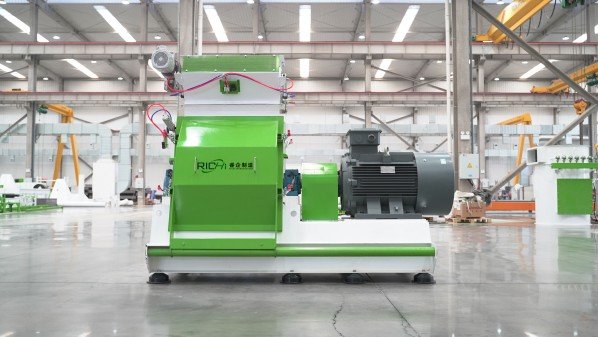
For producing fine particles suitable for pelletizing.
The ideal particle size typically ranges between 3 mm and 5 mm, depending on the feedstock and pellet mill design.
Maintaining a consistent particle size improves pellet density and durability.
Control Moisture Content Carefully
Moisture management is one of the most important aspects of pellet production.
Both excessively dry and overly wet materials can cause production problems.
Moisture Too High
Results may include:
- Pellet cracking
- Low density
- Reduced production efficiency
Moisture Too Low
Problems may include:
- Poor binding
- Increased energy consumption
- Excessive die wear
For most biomass materials, the optimal moisture range before pelletizing is approximately:
- 10% to 15%
Modern drying systems help maintain this ideal moisture level.
Common Drying Equipment
- Rotary drum dryers
- Belt dryers
- Flash dryers
Accurate moisture control significantly improves pellet consistency and overall product quality.
Maintain Proper Pellet Mill Settings
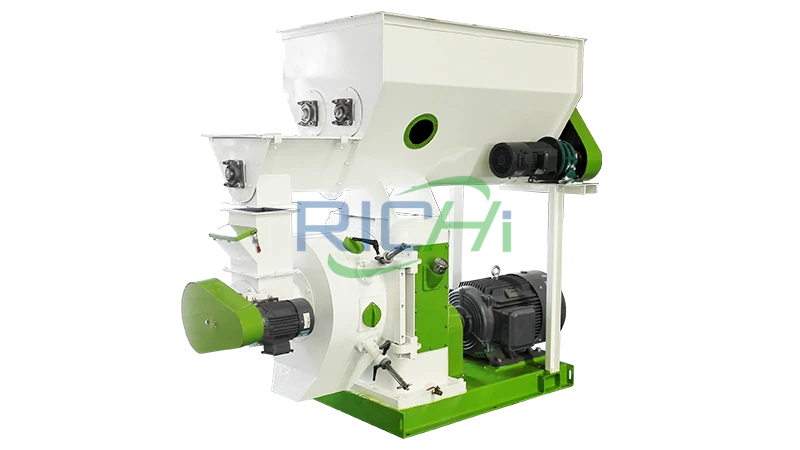
The industrial wood chip pellet machine is the heart of the biomass pellet production process.
Proper machine settings are essential for producing high-quality pellets.
Feed Rate
Stable feeding prevents fluctuations in pellet density.
Die Compression Ratio
The die compression ratio influences:
- Pellet hardness
- Density
- Durability
Operating Temperature
Appropriate temperature helps activate natural binders within the biomass.
Roller Pressure
Proper roller adjustment ensures effective compression.
Regular monitoring and adjustment of these parameters can dramatically improve pellet quality.
Choose the Right Die Design
Pellet die design has a direct impact on pellet performance.
Important considerations include:
Hole Diameter
Common biomass pellet diameters include:
- 6 mm
- 8 mm
- 10 mm
Effective Length
Longer die channels generally produce denser pellets.
Material Quality
High-quality die materials improve durability and production consistency.
Selecting the correct die configuration for specific feedstocks can significantly improve pellet quality and reduce operating costs.
Improve Cooling Efficiency
Fresh pellets leaving the pellet mill are hot and relatively soft.
Proper cooling is necessary to:
- Increase hardness
- Reduce moisture
- Improve storage stability
- Prevent deformation
Counterflow coolers are widely used because they provide:
- Uniform cooling
- High efficiency
- Consistent product quality
Insufficient cooling may result in cracked pellets and increased dust generation.
Implement Effective Screening Systems
Screening removes:
- Dust
- Fines
- Broken pellets
These unwanted materials negatively affect product appearance and customer satisfaction.
Benefits of effective screening include:
- Improved pellet uniformity
- Better packaging quality
- Reduced transportation losses
- Enhanced market value
Many producers recycle screened materials back into the production process to minimize waste.
Maintain Equipment Regularly
Equipment condition directly influences pellet quality.
Worn components can cause:
- Inconsistent pellet size
- Reduced density
- Increased dust generation
- Production interruptions
Regular maintenance should include:
Die Inspection
Check for wear and blockage.
Roller Maintenance
Ensure proper alignment and surface condition.
Bearing Replacement
Prevent unexpected downtime.
Lubrication
Reduce friction and equipment wear.
A preventive maintenance program helps maintain stable pellet quality and production efficiency.
Use Automation and Monitoring Systems
Modern pellet plants increasingly rely on automation to improve quality control.
Automated systems can monitor:
- Moisture content
- Temperature
- Feed rate
- Motor load
- Production output
Benefits include:
- Reduced human error
- Improved consistency
- Higher productivity
- Lower operating costs
Automation helps maintain optimal production conditions and reduces quality fluctuations. (click to read)
Train Production Personnel
Even advanced equipment requires skilled operators.
Employee training should focus on:
Raw Material Evaluation
Understanding feedstock characteristics.
Equipment Operation
Maintaining optimal machine settings.
Quality Inspection
Identifying potential quality issues early.
Safety Procedures
Preventing accidents and equipment damage.
Well-trained personnel contribute significantly to product consistency and operational efficiency.
Implement Comprehensive Quality Control
Quality control should occur throughout the entire production process.
Key inspection points include:
Incoming Raw Materials
Verify moisture content and contamination levels.
During Production
Monitor pellet density and machine performance.
Finished Products
Evaluate:
- Moisture content
- Durability
- Bulk density
- Ash content
- Heating value
Continuous quality monitoring helps identify problems before they affect customers.
Reduce Dust Generation
Dust is one of the most common quality concerns in pellet production.
Excessive dust can:
- Reduce product value
- Increase fire risks
- Create handling problems
Strategies for reducing dust include:
- Proper cooling
- Effective screening
- Optimized moisture levels
- High-quality raw materials
- Appropriate pellet mill settings
Lower dust levels improve both product quality and workplace safety.
Understand the Relationship Between Equipment Investment and Pellet Quality
Many investors focus heavily on equipment costs when planning a pellet plant.
However, lower-cost equipment may not always deliver the desired product quality.
When evaluating the wood pellet production line price, buyers should consider:
Equipment Quality
Premium machinery often provides better long-term performance.
Automation Features
Advanced control systems improve consistency.
Energy Efficiency
Lower operating costs improve profitability.
Production Capacity
Equipment should match market demand and raw material availability.
Technical Support
Reliable service minimizes downtime.
The lowest wood pellet production line price does not necessarily provide the best return on investment. A well-designed production line can significantly improve pellet quality while reducing operating expenses over time.
https://richipelletizer.com/wood-pellet-production-line-price
Improve Storage and Handling Practices
Even high-quality pellets can deteriorate if improperly stored.
Recommended storage practices include:
Keep Pellets Dry
Protect against rain and humidity.
Use Ventilated Warehouses
Reduce condensation risks.
Minimize Handling
Excessive movement can cause pellet breakage.
Monitor Inventory Rotation
Prevent long-term storage issues.
Proper storage helps preserve pellet quality until delivery.
Future Technologies for Pellet Quality Improvement
The biomass pellet industry continues to evolve.
Emerging technologies include:
- Artificial intelligence-based process control
- Smart moisture monitoring systems
- Advanced pellet die materials
- Real-time quality analysis
- Automated predictive maintenance
These innovations will further improve pellet quality while reducing production costs.
Conclusion
Improving biomass pellet quality efficiently requires a comprehensive approach that addresses every stage of the production process. From selecting high-quality raw materials and controlling moisture content to optimizing pellet mill settings and implementing strict quality control procedures, each factor contributes to the performance of the final product.
Investing in reliable equipment, maintaining proper operating conditions, training personnel, and carefully evaluating factors beyond the initial wood pellet production line price can help manufacturers achieve consistent, high-quality pellets that meet market demands. As global demand for renewable energy continues to grow, producers who prioritize pellet quality will be better positioned to compete successfully in the expanding biomass fuel industry.