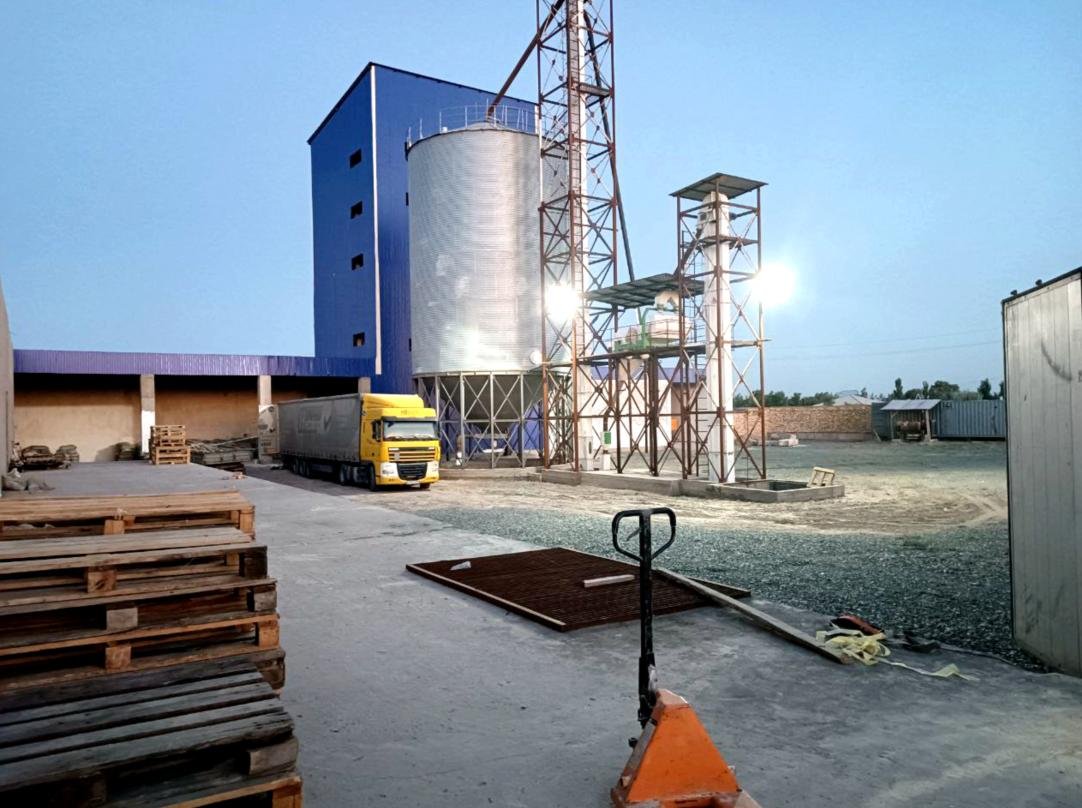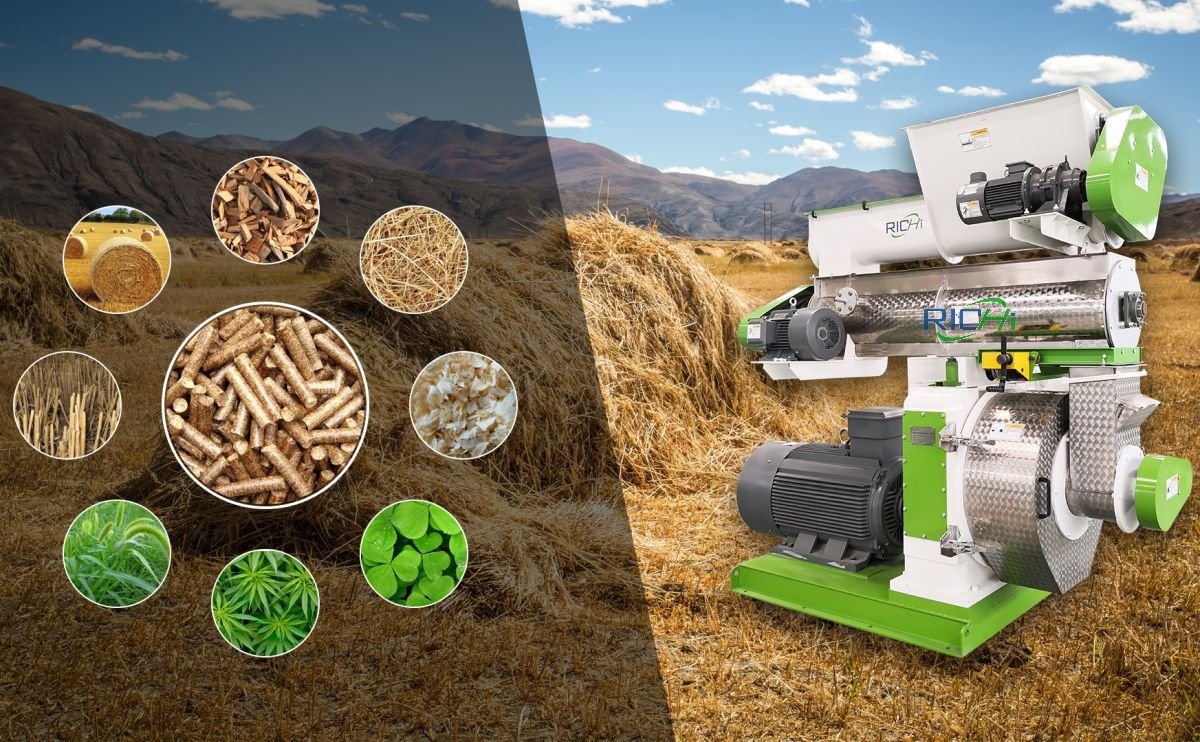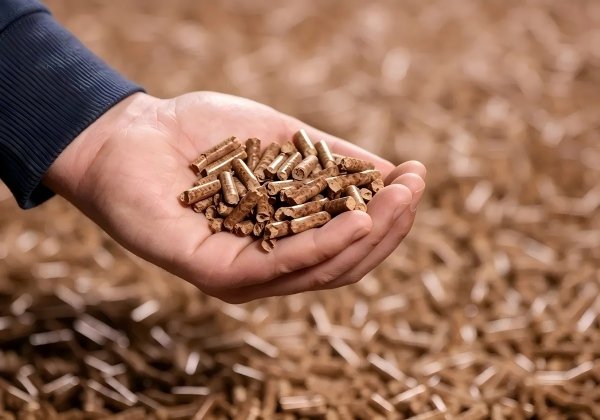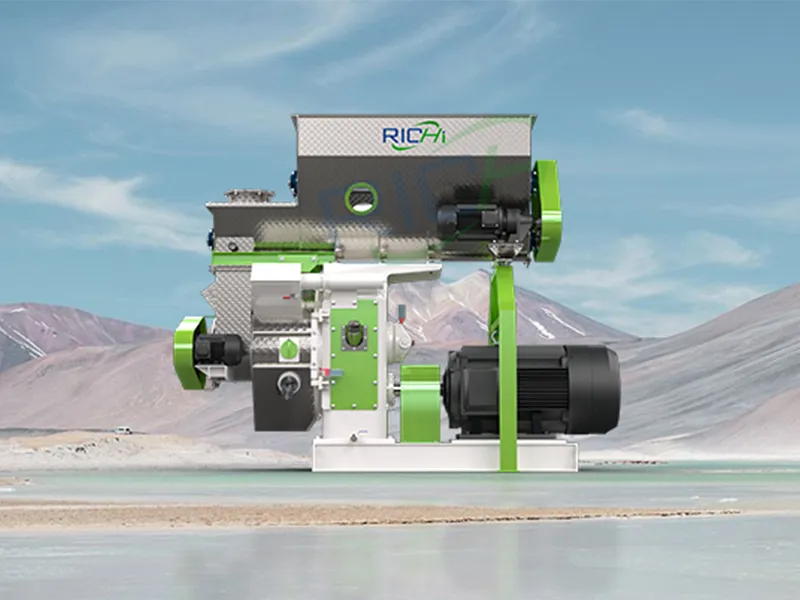
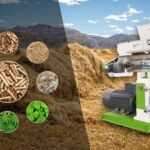


Wood pellet production is not simply a process of compressing wood into pellets. Before the material enters the pellet mill, it needs to be properly prepared. Raw wood can come in many different forms, including logs, branches, wood chips, sawdust, wood shavings, bark, and other forestry or sawmill residues. These materials can vary considerably in size, moisture, density, and structure.
Wood crushing is therefore an important part of material preparation. By reducing oversized wood and creating a more suitable particle size, crushing helps prepare biomass for drying, conditioning, and pelletizing.
However, the purpose of wood crushing is not simply to make the material as fine as possible. The real goal is to create a consistent feedstock that matches the requirements of the pellet mill while minimizing unnecessary energy consumption and equipment wear.
A properly designed wood pellet production process may include chipping, crushing, grinding, screening, drying, pelletizing, cooling, and packing. Depending on the raw material, some stages may be combined or omitted.
This article explains how wood crushing prepares materials for pelletizing, what equipment can be used, how particle size affects pellet production, and how to select a suitable crushing system.
Why Wood Preparation Is Important Before Pelletizing
Pellet mills work best when the feed material has relatively consistent characteristics.
Raw wood collected from forests, sawmills, farms, or wood-processing factories rarely has a perfectly uniform size. A batch may contain fine sawdust, wood chips, shavings, bark, and oversized pieces at the same time.
If these materials are sent directly into the pellet mill without appropriate preparation, several problems may occur.
Oversized particles can interfere with feeding and pellet formation. Irregular particles may create uneven compression inside the die. Large pieces can also reduce the stability of the production process.
Proper crushing and grinding can help create:
- More uniform particle size
- Better material flow
- More consistent feeding
- Improved drying efficiency
- Better mixing
- More stable pellet formation
- More consistent pellet quality
- Better utilization of wood waste
Therefore, crushing should be viewed as one part of an integrated pellet production process rather than an isolated operation.
What Happens During Wood Crushing?
Wood crushing is a mechanical size-reduction process.
Depending on the equipment, wood is subjected to impact, cutting, shearing, compression, or a combination of these forces.
The basic process is:
Feeding → Size Reduction → Screening → Discharge
The material enters the crushing chamber through the feeding system. A rotor equipped with hammers, knives, or other crushing tools rotates at high speed. The wood is repeatedly impacted or cut until it reaches a suitable size.
In hammer mills, a screen controls the size of material that can leave the grinding chamber. Particles that are still too large remain inside the chamber and continue to be processed.
This creates a more controlled particle-size distribution.
The exact working principle depends on the machine design and raw material.
Different Wood Materials Require Different Preparation
One of the most important principles in wood pellet production is that different raw materials require different preparation methods.
A large log should not be processed in the same way as dry sawdust.
Logs and Large Branches
Large logs and branches normally require coarse size reduction first.
A wood chipper can reduce them into wood chips that are easier to transport and process.
The process may be:
Logs → Chipping → Crushing/Grinding → Drying → Pelletizing
The chipper performs the first stage of size reduction, while a crusher or hammer mill performs additional grinding when necessary.
Wood Chips
Wood chips are already smaller than logs but may still be too large for direct pelletizing.
A crusher or hammer mill can reduce the chips into smaller particles.
The appropriate final size depends on the pellet diameter, pellet mill design, raw material characteristics, and desired pellet quality.
Sawdust
Sawdust is already a relatively fine material.
If the sawdust has a suitable particle size and moisture level, it may not require additional crushing.
However, sawdust from different sources can contain oversized particles, clumps, wood shavings, or other irregular material.
In such cases, a sawdust crusher machine can be used to further reduce and homogenize the material before drying or pelletizing.
The important point is that additional crushing should be based on actual material characteristics rather than automatically included in every production line.
How Wood Crushing Improves Pelletizing
Wood crushing supports pelletizing in several important ways.
1. It Reduces Oversized Particles
Pellet mills are designed to compress prepared biomass through holes in a die.
Very large wood pieces can make feeding less stable and interfere with the compression process.
Crushing reduces oversized particles and creates a feedstock that is more compatible with the pellet mill.
This is particularly important when the raw material is produced from branches, wood chips, or mixed wood waste.
2. It Improves Particle-Size Uniformity
Uniform particle size helps the pellet mill operate more consistently.
If a feedstock contains very large pieces together with very fine powder, different particles may behave differently during compression.
Smaller particles can fill spaces between larger particles, while oversized pieces may resist compression.
A suitable crushing process reduces this variation.
However, complete uniformity is not always necessary. The objective is to create a particle distribution that is suitable for the specific pellet mill and product.
3. It Increases Surface Area
When wood is crushed into smaller particles, its total surface area increases.
This can improve contact between the biomass and hot air during drying.
For example, if wet wood chips are reduced into smaller particles before drying, more surface area becomes available for heat transfer and moisture evaporation.
This can support more uniform drying.
The exact process order, however, depends on the raw material. Very wet materials may require different preparation methods to avoid clogging or excessive energy consumption during grinding.
4. It Supports Moisture Control
Moisture is a critical factor in wood pellet production.
Wood that is too wet may be difficult to pelletize consistently. Excessive moisture can affect material flow, compression, pellet strength, and the stability of the pellet mill.
Crushing can help create more uniform particles, which makes subsequent drying more predictable.
A typical wood pellet production process may therefore include:
Wood Preparation → Crushing → Drying → Fine Grinding → Pelletizing
or:
Wood Preparation → Drying → Crushing/Grinding → Pelletizing
The appropriate sequence depends on the initial moisture, particle size, wood species, and equipment configuration.
The target moisture should be determined according to the pellet mill and raw material rather than applying one fixed value to every project.
The Role of the Sawdust Crusher Machine
A sawdust crusher machine is used when sawdust or fine wood residues require additional size reduction.
Although sawdust is already relatively small, it may contain particles that are too large for the intended pellet production process.
The machine can help reduce these oversized particles and create a more consistent material.
A typical working process is:
Sawdust Feeding → Crushing → Screening → Discharge
In a hammer-type system, the material enters a grinding chamber where rotating hammers repeatedly impact the wood.
The particles circulate inside the chamber until they are small enough to pass through the screen.
The screen therefore plays an important role in determining the final particle size.
The machine may be installed before or after drying depending on the raw material characteristics and plant design.
How Particle Size Affects Pellet Quality
Particle size can influence several pellet characteristics.
These include:
- Pellet density
- Pellet durability
- Pellet surface quality
- Pellet formation
- Material flow
- Production stability
- Energy consumption
If particles are too large, they may not compress efficiently.
If particles are excessively fine, the production process may consume more electricity than necessary.
Very fine particles can also increase dust generation.
Therefore, the goal is not simply to achieve the smallest possible particle size.
Instead, pellet manufacturers should determine a suitable particle size according to:
- Pellet diameter
- Wood species
- Raw material structure
- Moisture
- Die compression ratio
- Pellet mill type
- Final pellet application
Does Wood Need to Be Crushed Before Drying?
There is no universal answer.
The correct process depends on the initial condition of the raw material.
For large wood chips, reducing the size before drying can improve surface area and facilitate more uniform moisture removal.
For very fine sawdust, additional crushing may not be necessary.
In some cases, excessive grinding before drying may increase electricity consumption without providing a meaningful benefit.
Therefore, engineers should evaluate the entire process.
For example, a plant processing relatively dry sawdust may use:
Screening → Drying → Pelletizing
while a plant processing large wet wood chips may use:
Chipping → Crushing → Drying → Fine Grinding → Pelletizing
This is one reason customized process design is important for commercial pellet plants.
Wood Crushing and Drying Work Together
Crushing and drying are closely connected.
The particle size created by the crushing system affects how the material behaves in the dryer.
Smaller particles generally have more surface area and can release moisture more easily.
However, extremely fine particles may create excessive dust and may be more difficult to handle.
A biomass drying system commonly includes:
- Rotary dryer
- Hot-air furnace
- Feeding equipment
- Exhaust fan
- Cyclone
- Dust collector
- Conveyors
- Temperature monitoring system
The dried material should then be transferred to the pelletizing section while minimizing moisture reabsorption.
This is particularly important in humid climates or when there is a long conveying distance between the dryer and pellet mill.
Crushing Equipment Used in Wood Pellet Production
Different types of size-reduction equipment can be used depending on the raw material.
Wood Chipper
An industrial wood chipper is used for logs, branches, trunks, and other large wood materials.
It is normally a first-stage machine.
Its purpose is to produce wood chips that can be handled by downstream equipment.
Wood Crusher
A wood crusher can reduce wood chips and other relatively coarse biomass materials.
It is useful when the material is too large for the next stage.
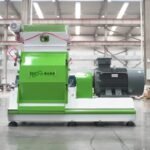
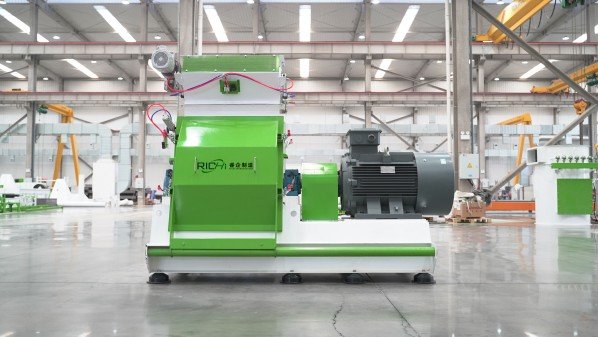
Hammer Mill
Hammer mills are widely used for biomass grinding.
The rotating hammers impact the material, while a screen controls the discharged particle size.
Hammer mills can be used for wood chips, sawdust, agricultural residues, and other biomass materials.
Sawdust Crusher
A sawdust crusher is designed for additional size reduction of sawdust and fine wood residues.
It can be useful when the existing sawdust does not meet the required particle-size specification.
Pulverizer
A pulverizer is used when much finer powder is required.
It should generally be selected only when the final application actually requires very fine material because fine grinding can increase energy consumption.
A Typical Wood Pellet Material Preparation Process
A complete wood pellet plant can have different configurations.
A common process is:
Step 1: Raw Material Receiving
Wood logs, branches, chips, sawdust, or other residues are delivered to the plant.
The material should be inspected for moisture, contamination, and particle size.
Step 2: Coarse Size Reduction
Large logs and branches are processed by a chipper.
This stage makes the material suitable for downstream handling.
Step 3: Crushing
Wood chips or other coarse materials are processed by a crusher or hammer mill.
The objective is to achieve an appropriate particle size.
Step 4: Screening
A screening system can separate oversized particles from properly sized material.
Oversized material can be returned for additional grinding.
Step 5: Drying
If the material contains excessive moisture, it enters the drying system.
The dryer reduces moisture to a level suitable for pelletizing.
(Related machine:https://pelletisingmachine.com/wood-drying-machine/)
Step 6: Fine Grinding
Additional grinding may be used if the material requires a finer or more uniform particle size.
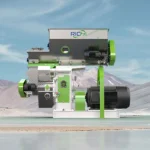
Step 7: Pelletizing
The prepared biomass enters the pellet mill.
Pressure and friction compress the material through the die holes, forming cylindrical pellets.
Step 8: Cooling
Fresh pellets leave the pellet mill at elevated temperature and contain residual moisture.
A pellet cooler reduces temperature and stabilizes the pellets.
Step 9: Screening
Fine particles and broken pellets are separated from finished pellets.
Off-spec material can often be returned to the production process.
Step 10: Packing
Finished pellets are weighed and packed for storage, transportation, or sale.
How to Know Whether You Need a Sawdust Crusher Machine
Not every sawdust pellet plant requires a dedicated crusher.
You may need additional crushing when:
- Sawdust contains oversized particles.
- Wood shavings are mixed with sawdust.
- The raw material has inconsistent particle size.
- The pellet mill requires finer material.
- The material contains clumps.
- The feedstock changes between different sources.
- A specific pellet specification requires additional grinding.
On the other hand, if your sawdust already meets the required particle size and moisture specifications, installing another crushing stage may provide little benefit.
This is an important principle in equipment selection:
Use the equipment required by the process, not simply the equipment available on the market.
Factors That Affect Wood Crushing Performance
Several factors influence the performance of a wood crushing machine.
Raw Material Moisture
Wet wood can be more difficult to crush.
Excessive moisture may cause sticking, screen blockage, and reduced throughput.
Feed Particle Size
A machine’s capacity depends partly on the initial size of the material.
Large wood chips require more energy than already-fine sawdust.
Wood Species
Different wood species have different hardness, density, and fiber structure.
These differences can affect crushing performance and wear.
Screen Size
Screen openings influence final particle size and throughput.
A finer screen may produce smaller particles but can reduce capacity.
Feeding Rate
Overfeeding can increase motor load and cause unstable operation.
Controlled feeding helps maintain consistent performance.
Wear Condition
Dull hammers, damaged screens, or worn components can reduce efficiency.
Regular inspection is therefore important.
How to Reduce Energy Consumption During Wood Crushing
Energy efficiency is an important consideration for commercial biomass plants.
Several practices can help reduce unnecessary power consumption.
Avoid Excessive Grinding
Do not grind the material finer than required.
Match the Machine to the Feedstock
A machine designed for the actual material will generally perform more effectively than a poorly matched machine.
Control Feeding
Stable feeding helps prevent overload and unnecessary idle operation.
Maintain Wear Parts
Sharp and properly maintained crushing tools can improve processing efficiency.
Use Suitable Screens
The screen should match the required particle size.
Remove Contaminants
Metal and stones can damage crushing equipment and increase downtime.
Coordinate Crushing With Drying
The crushing stage should be designed together with the dryer and pellet mill rather than independently.
How Wood Crushing Supports Different Pellet Applications
Wood pellets can be produced for several applications.
Fuel Pellets
For biomass fuel pellets, appropriate particle size supports stable pellet formation and consistent density.
Industrial Biomass Pellets
Industrial pellet plants often require continuous and stable material preparation.
Large volumes of wood residues may require multiple crushing and grinding stages.
Animal Bedding Pellets
For wood bedding pellets, particle size and moisture also affect pellet formation, durability, absorbency, and handling characteristics.
Other Biomass Products
Prepared wood particles can also be used for briquettes, biomass fuel, and other densified biomass products.
The correct crushing specification depends on the final product.
How to Select Crushing Equipment for a Pellet Plant
When selecting equipment, consider the following factors:
1. Raw Material Type
Is it logs, branches, chips, sawdust, shavings, or mixed wood waste?
2. Maximum Feed Size
What is the largest particle entering the machine?
3. Initial Moisture
How much moisture does the material contain?
4. Required Particle Size
What size does the pellet mill require?
5. Capacity
How many tons of material must be processed per hour?
6. Energy Consumption
How much power is required per ton of processed material?
7. Wear Parts
What is the expected service life of hammers, knives, and screens?
8. Dust Collection
Does the system include appropriate dust-control equipment?
9. Maintenance
Can operators easily inspect and replace wear parts?
10. Downstream Compatibility
Can the crushing machine work efficiently with the dryer, pellet mill, cooler, and other equipment?
These questions provide a much better basis for equipment selection than price alone.
(click here to investigate:RICHI Machinery)
Why a Complete Crushing Solution Can Be Better Than a Single Machine
A wood pellet plant is a continuous process.
The crushing machine cannot operate efficiently if the dryer cannot handle its output. Similarly, a high-capacity crusher is of limited value if the pellet mill cannot consume the prepared material.
A complete solution coordinates:
Raw Material → Crushing → Drying → Grinding → Pelletizing → Cooling → Screening → Packing
The capacity of each section should be matched.
For example, if the crushing system produces material faster than the dryer can process it, material may accumulate between the two stages.
If the pellet mill has a higher capacity than the grinding system, the pellet mill may not receive enough prepared feedstock.
Process balancing is therefore an important part of pellet plant design.
RICHI Wood Crushing and Pelletizing Solutions
RICHI provides biomass processing equipment and turnkey engineering solutions for wood pellet production.
Depending on the raw material and project requirements, a complete solution can include:
- Wood chipper
- Wood crusher
- Sawdust crusher machine
- Hammer mill
- Screening machine
- Rotary dryer
- Hot-air furnace
- Cyclone
- Dust collector
- Conveyors
- Pellet mill
- Pellet cooler
- Vibrating screen
- Packing machine
- Electrical control system
The equipment configuration can be customized according to the customer’s raw material type, initial particle size, moisture, required final particle size, production capacity, and pellet application.
For customers using sawdust, RICHI can also determine whether additional crushing is necessary or whether the existing material can be sent directly to the drying or pelletizing section.
This helps avoid unnecessary processing steps and investment.
Frequently Asked Questions
Is crushing necessary before making wood pellets?
Not always. Large logs and branches require size reduction, while properly sized sawdust may not need additional crushing. The requirement depends on the initial particle size and pellet mill specifications.
What machine is used to crush wood chips for pellets?
A wood crusher or hammer mill can be used depending on the chip size and required final particle size. Large logs and branches normally require a wood chipper first.
Can a sawdust crusher machine process wood chips?
Some models can process both sawdust and relatively small wood chips, but the suitable machine depends on the maximum feed size, material moisture, required output size, and capacity.
Should sawdust be crushed before or after drying?
Either arrangement can be possible. The best sequence depends on initial moisture, particle size, and machine characteristics. Wet material may require special consideration to avoid clogging during grinding.
Does finer wood powder always produce better pellets?
No. Excessive grinding can increase electricity consumption, wear, and dust generation. The goal is to achieve a particle size suitable for the pellet mill and final product.
How does moisture affect wood crushing?
High moisture can cause material to stick to screens and grinding components, reducing throughput and increasing the risk of blockage. Moisture should therefore be considered when designing the grinding process.
What information should I provide when buying a wood crusher?
Provide the raw material type, maximum feed size, initial moisture, required final particle size, production capacity, and final application. This allows the manufacturer to recommend a suitable machine.
Conclusion
Wood crushing is an important material preparation stage in many wood pellet production systems. Its purpose is to reduce oversized material, improve particle-size consistency, support drying, and create a more suitable feedstock for pelletizing.
However, effective wood preparation does not mean grinding everything as finely as possible.
Large logs and branches may require chipping first. Wood chips may require crushing or hammer milling. Sawdust may only need additional grinding when its particle size is unsuitable for the pellet mill. A sawdust crusher machine can be useful for reducing oversized sawdust, clumps, and irregular fine wood residues, but it should be selected according to actual process requirements.
The most effective approach is to evaluate the entire production process, including raw material preparation, crushing, drying, grinding, pelletizing, cooling, screening, and packing.
When each stage is properly matched, the result is a more stable material flow, more consistent pellet production, and better overall utilization of wood residues.
For a new wood pellet project, start with five key pieces of information: raw material type, maximum feed size, moisture, required particle size, and production capacity. These parameters provide the foundation for designing a suitable wood crushing and pelletizing solution.